
Buy Azteca
Buy an Azteca: a compact, sure-footed Mexican Andalusian x Quarter Horse cross for hacking, western riding and working equitation. Sell on Paardplaats.
2 horses found
2 horses
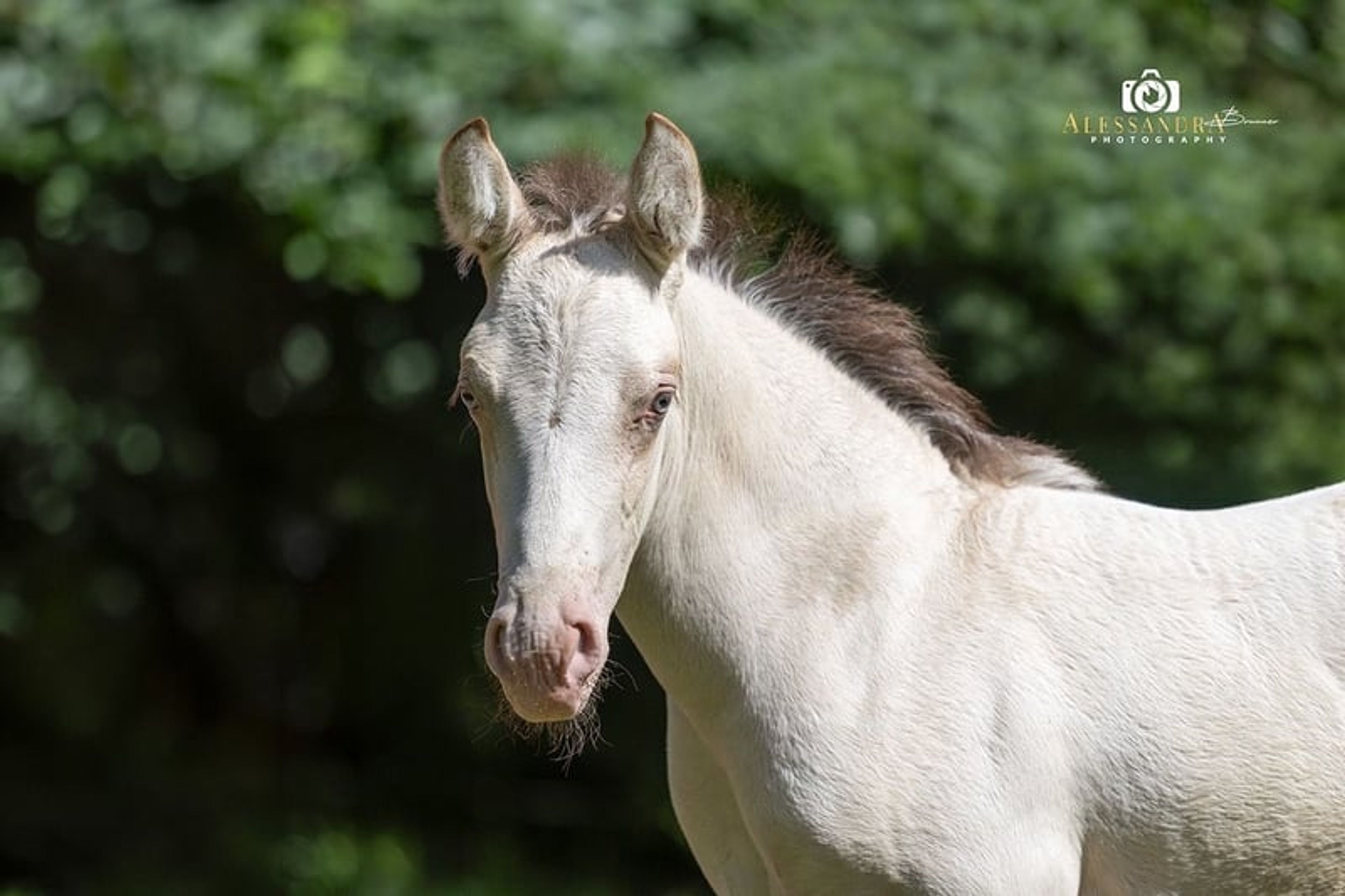
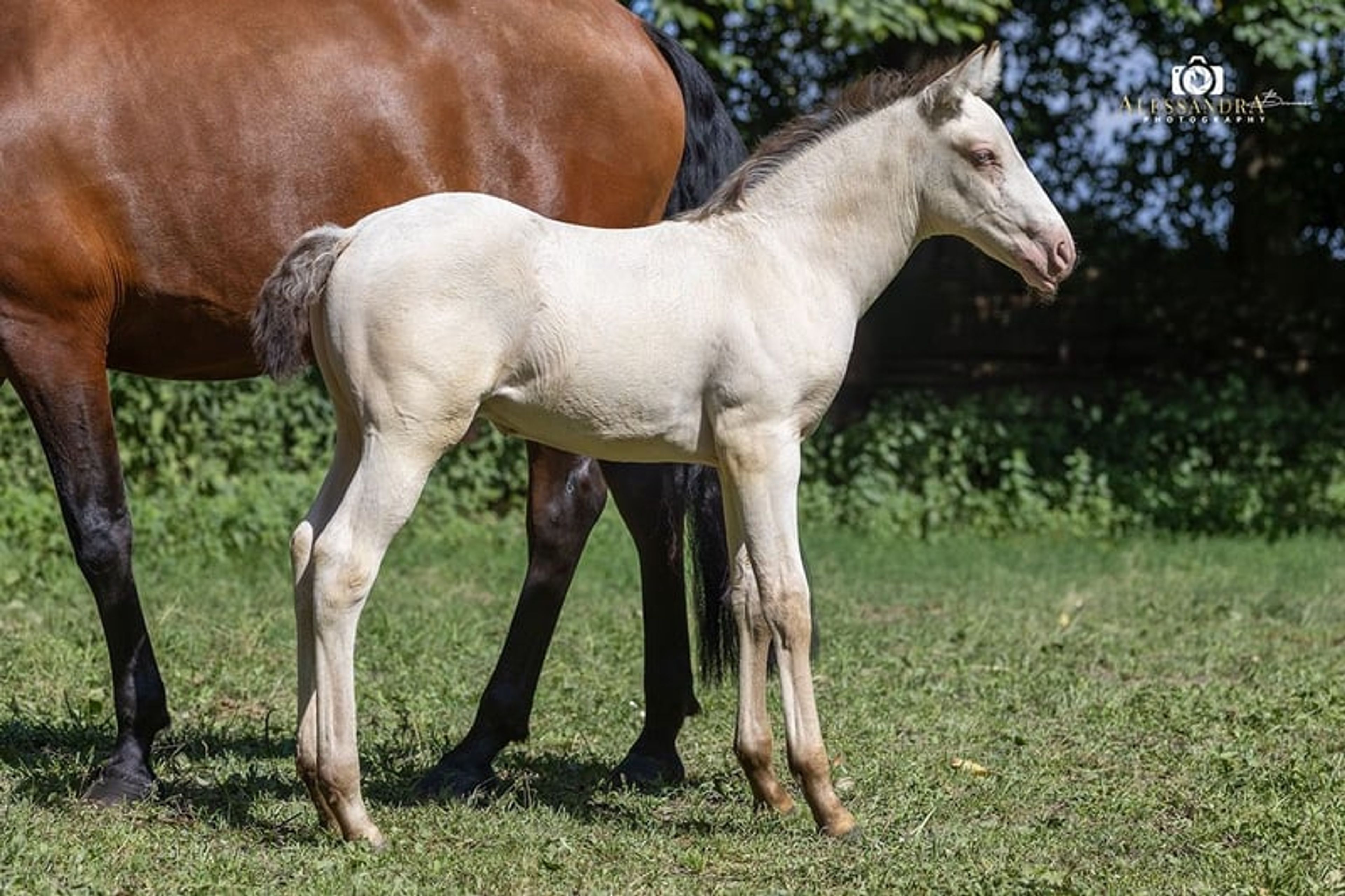
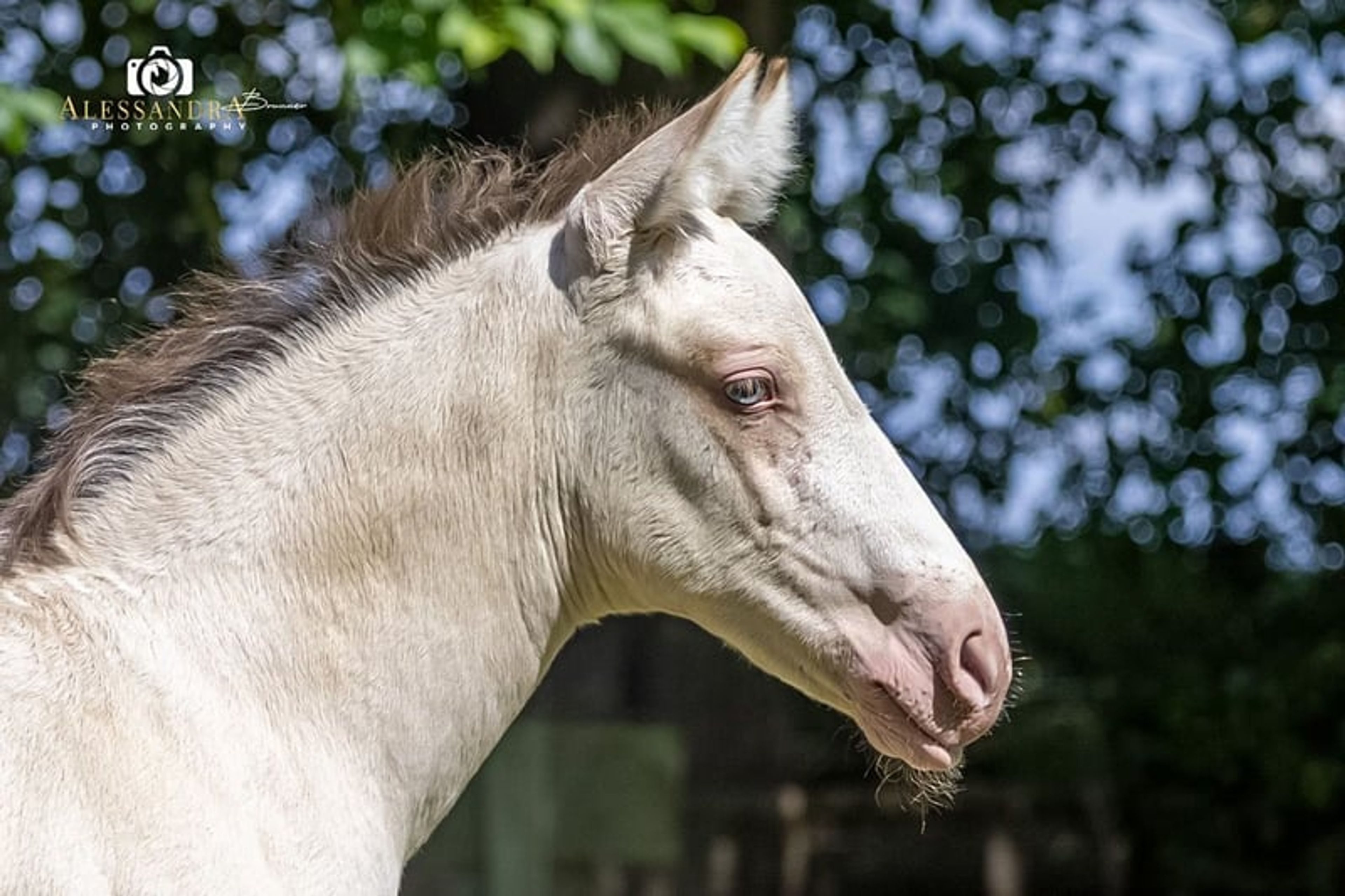
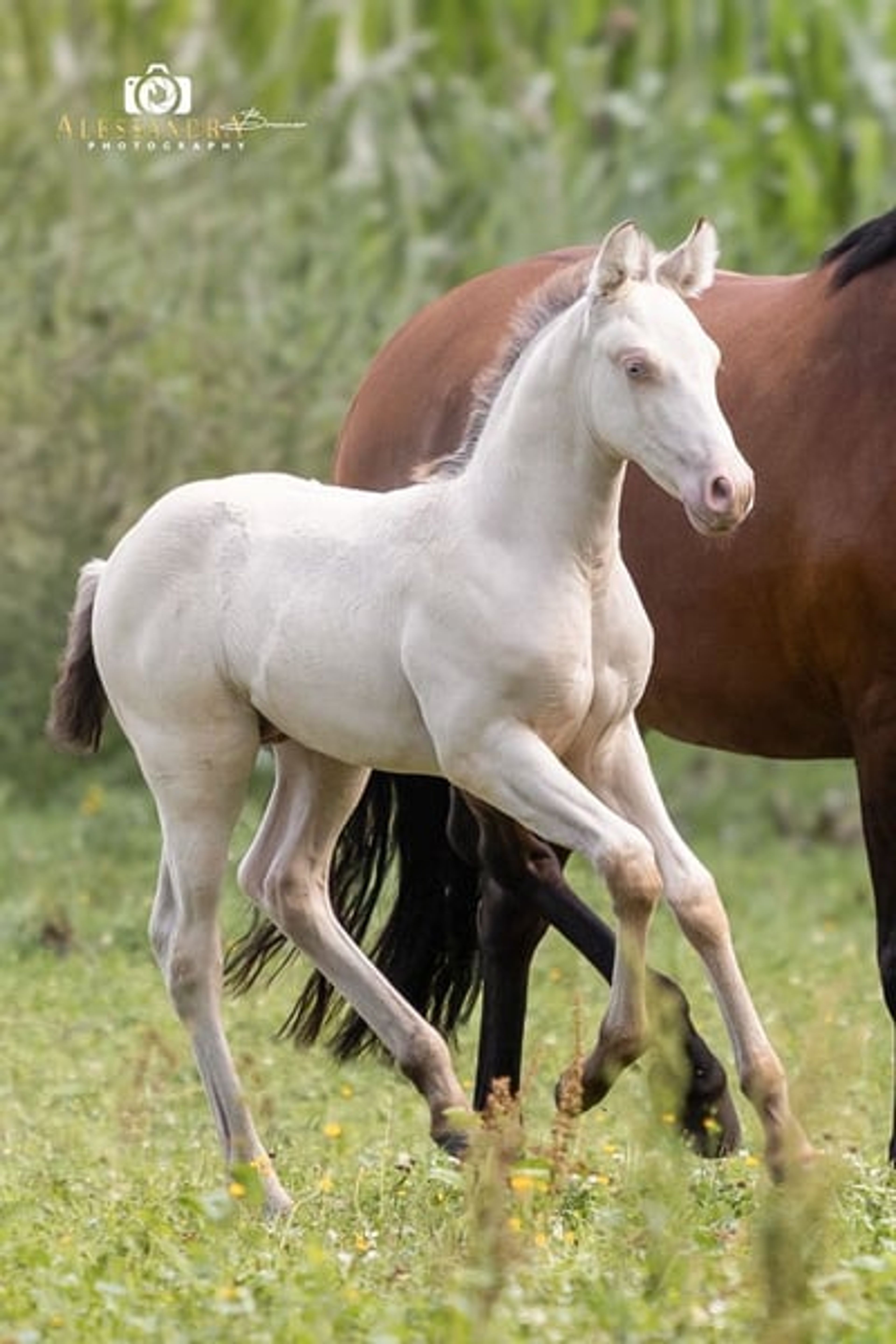
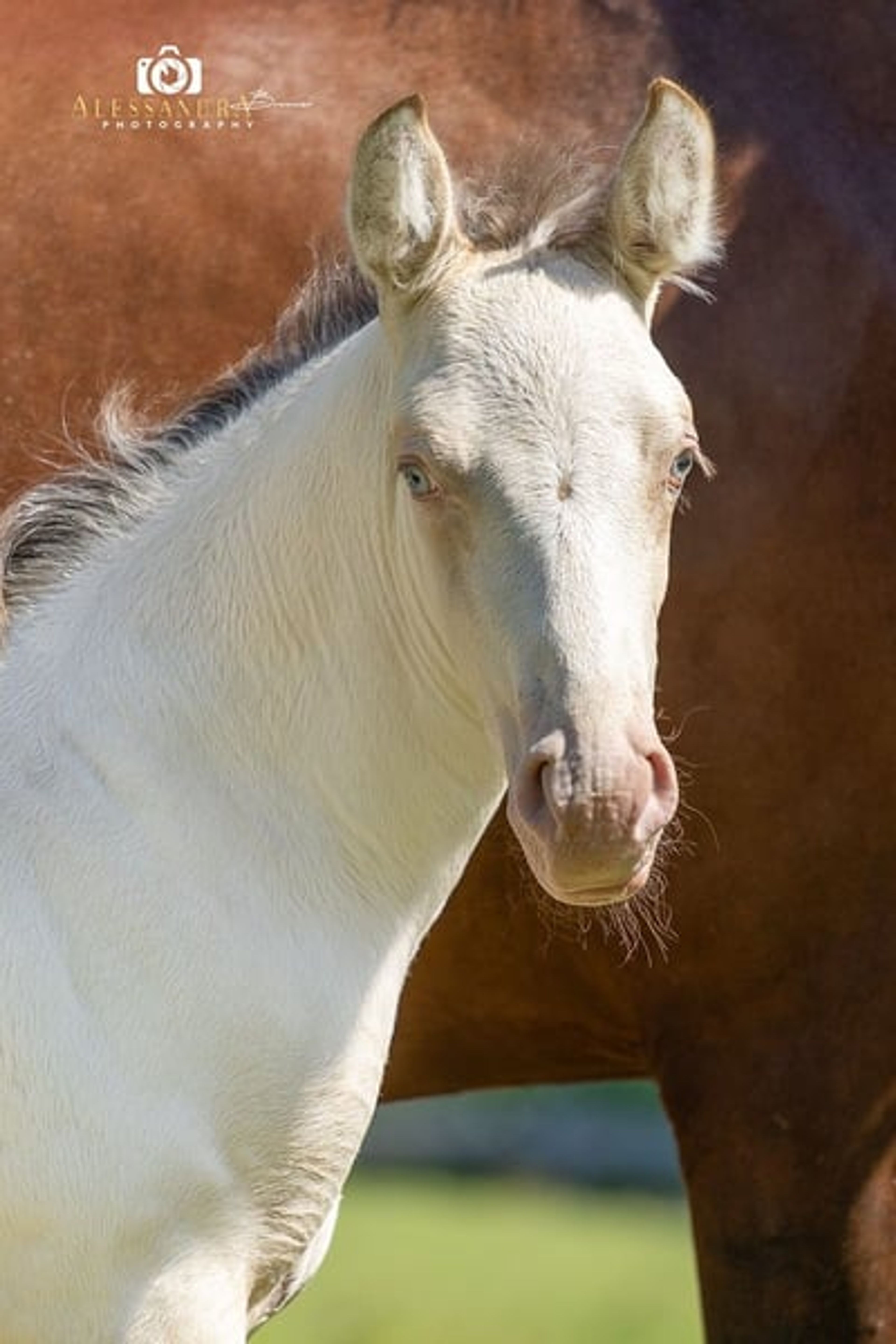
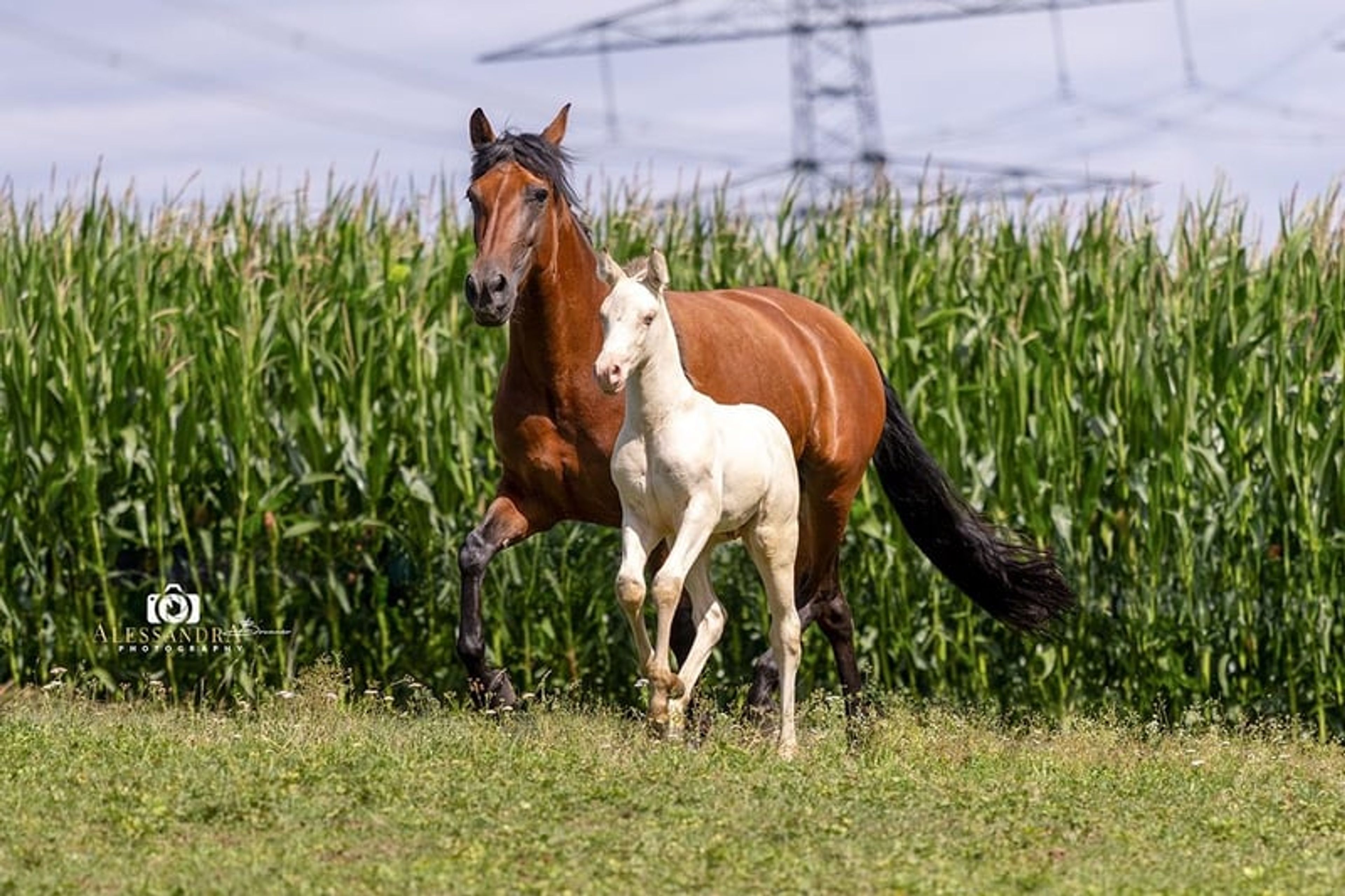
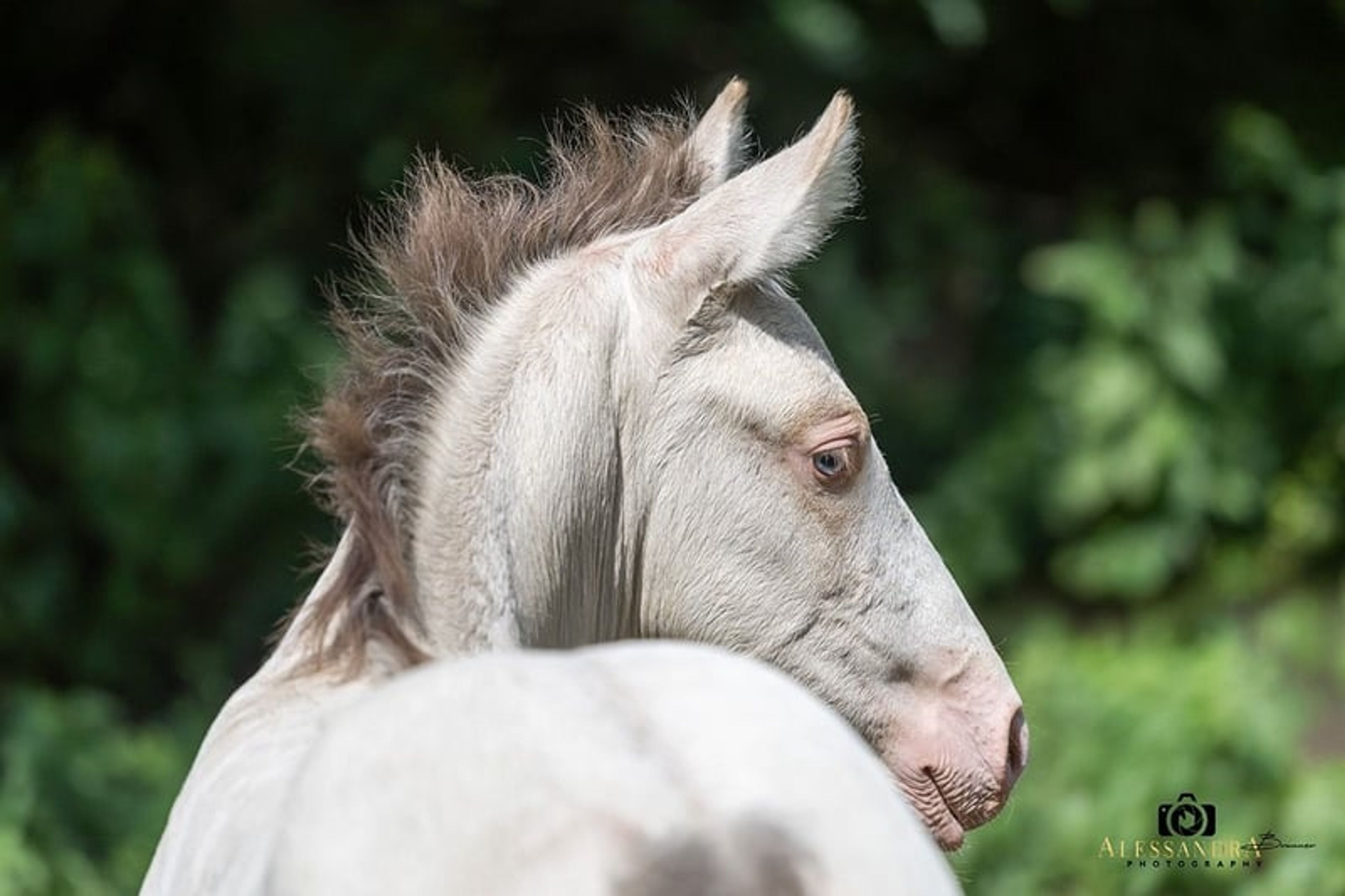
A Kizz To Remember – Azteca Stallion, 2 months old, Classic Cream Champagne
Azteca • Unbroken
A Kizz To Remember – Azteca Stallion, 2 months old, Classic Cream Champagne
Azteca • Unbroken • Champagne
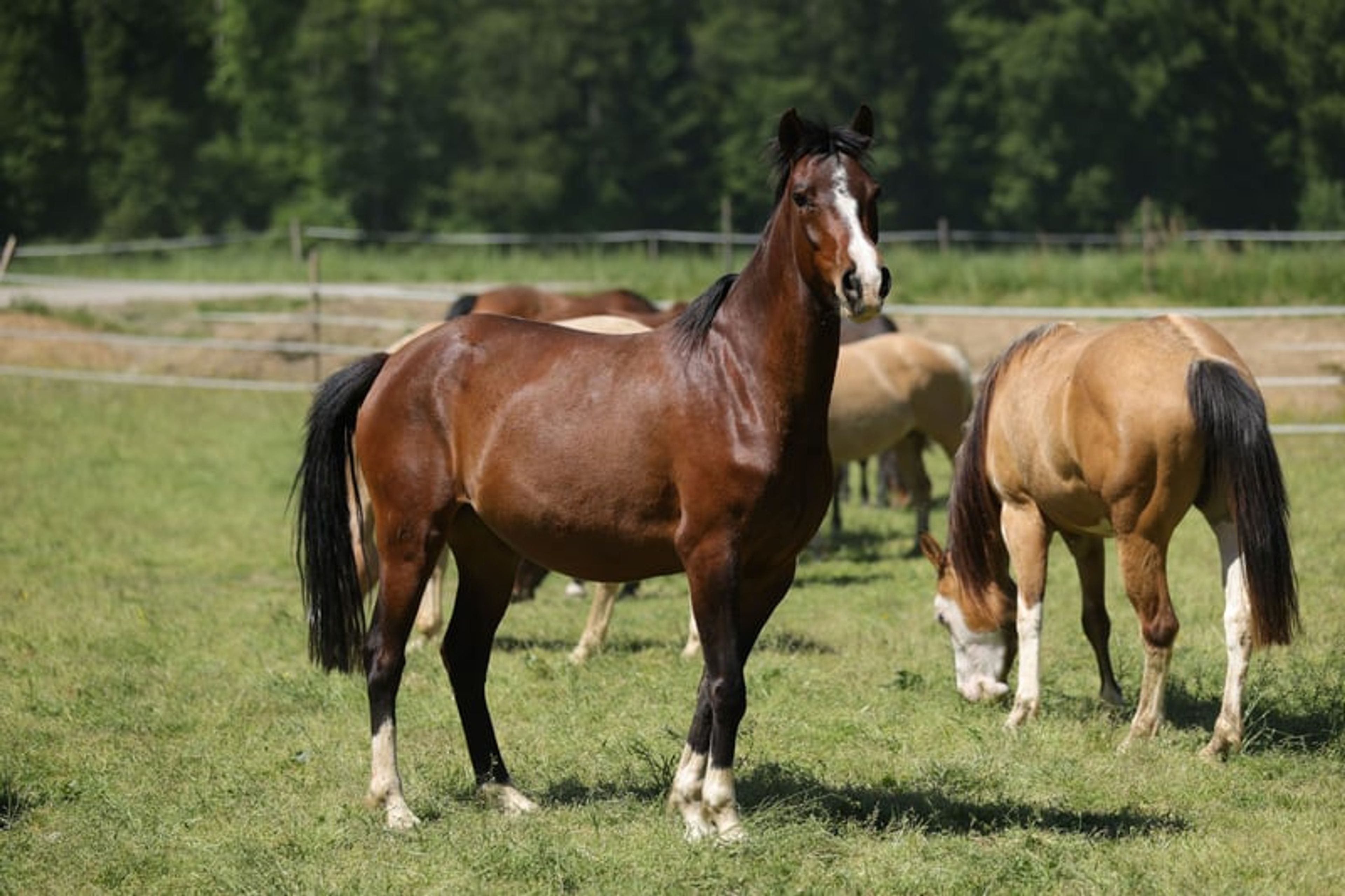
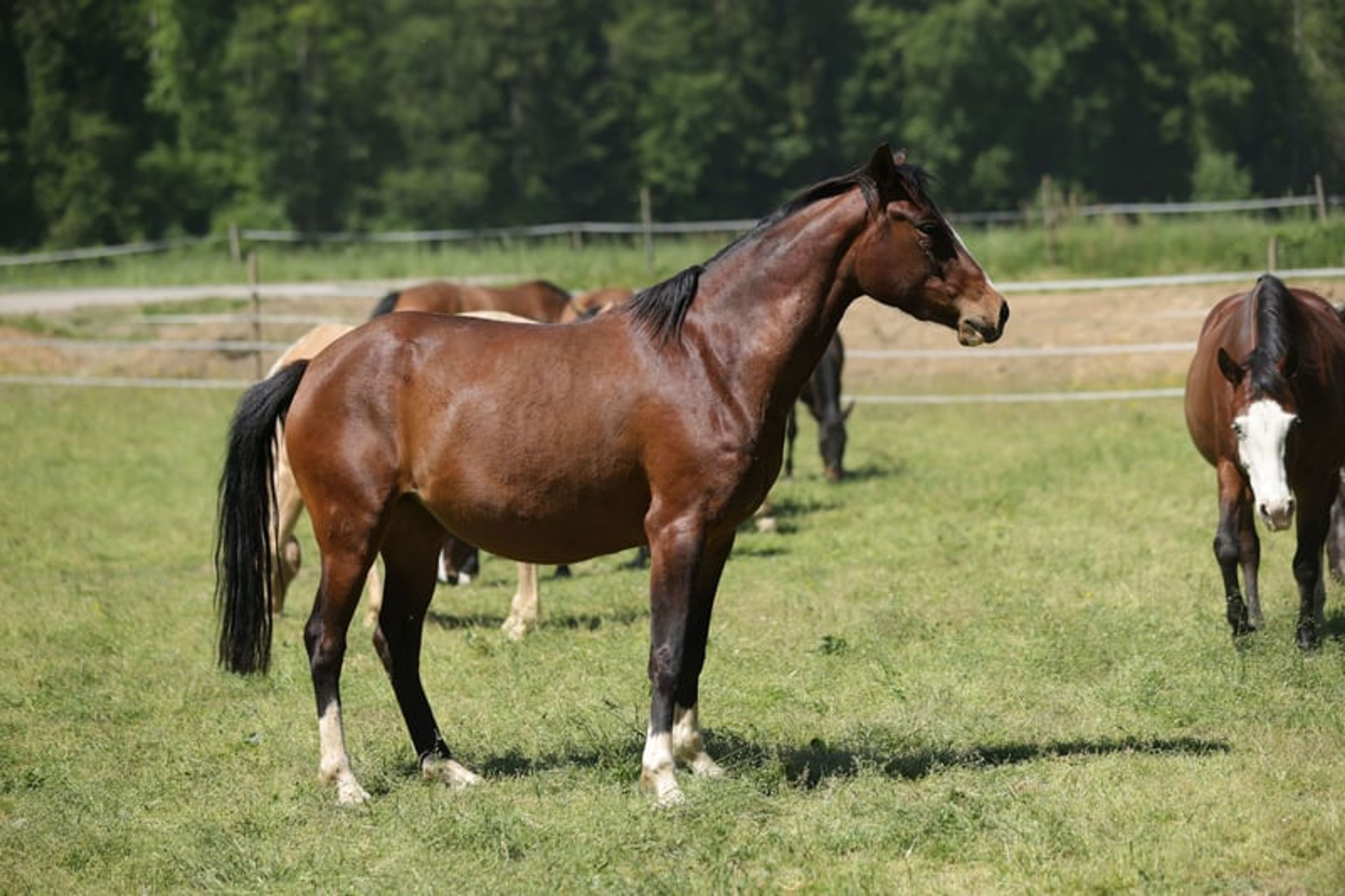
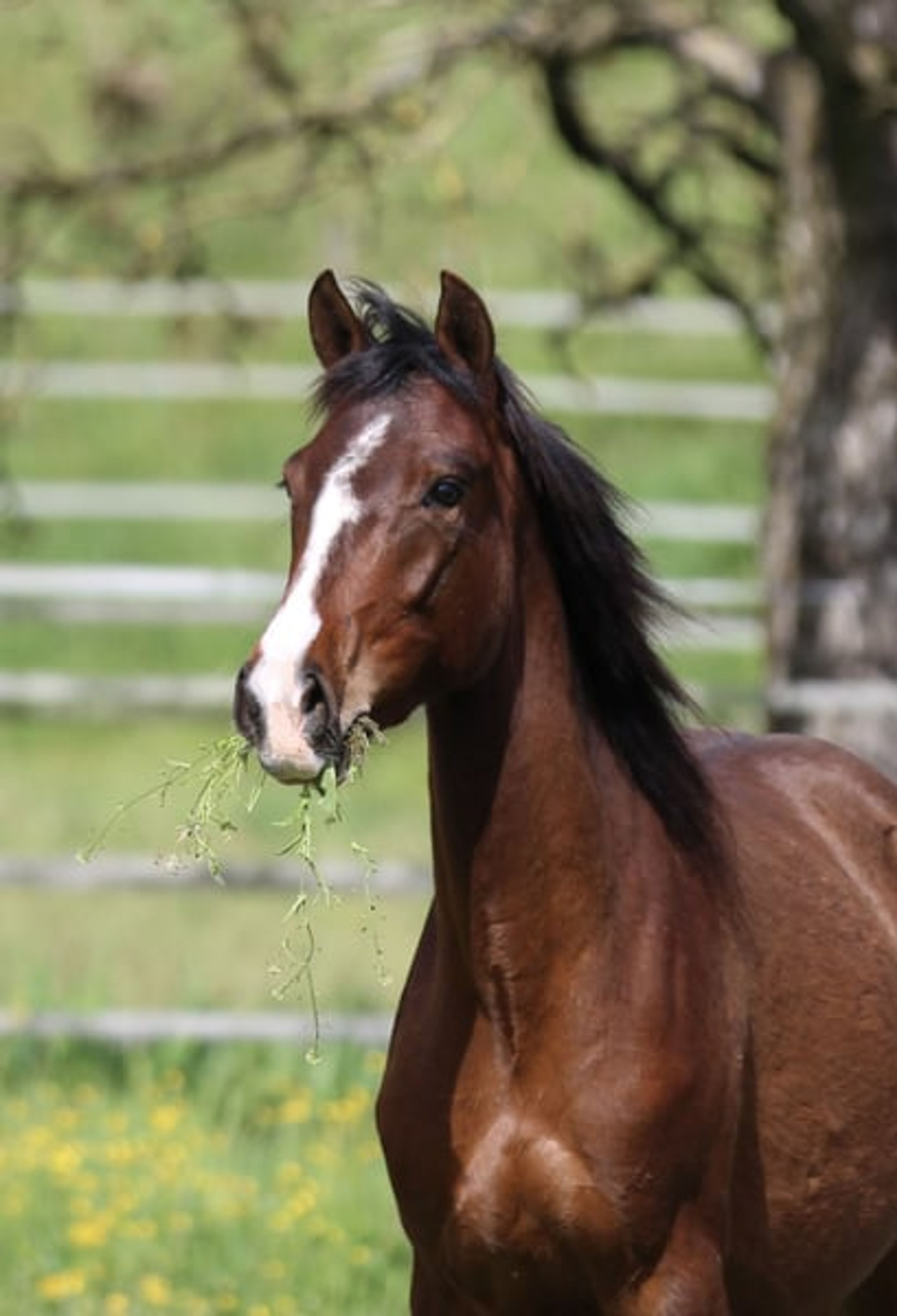
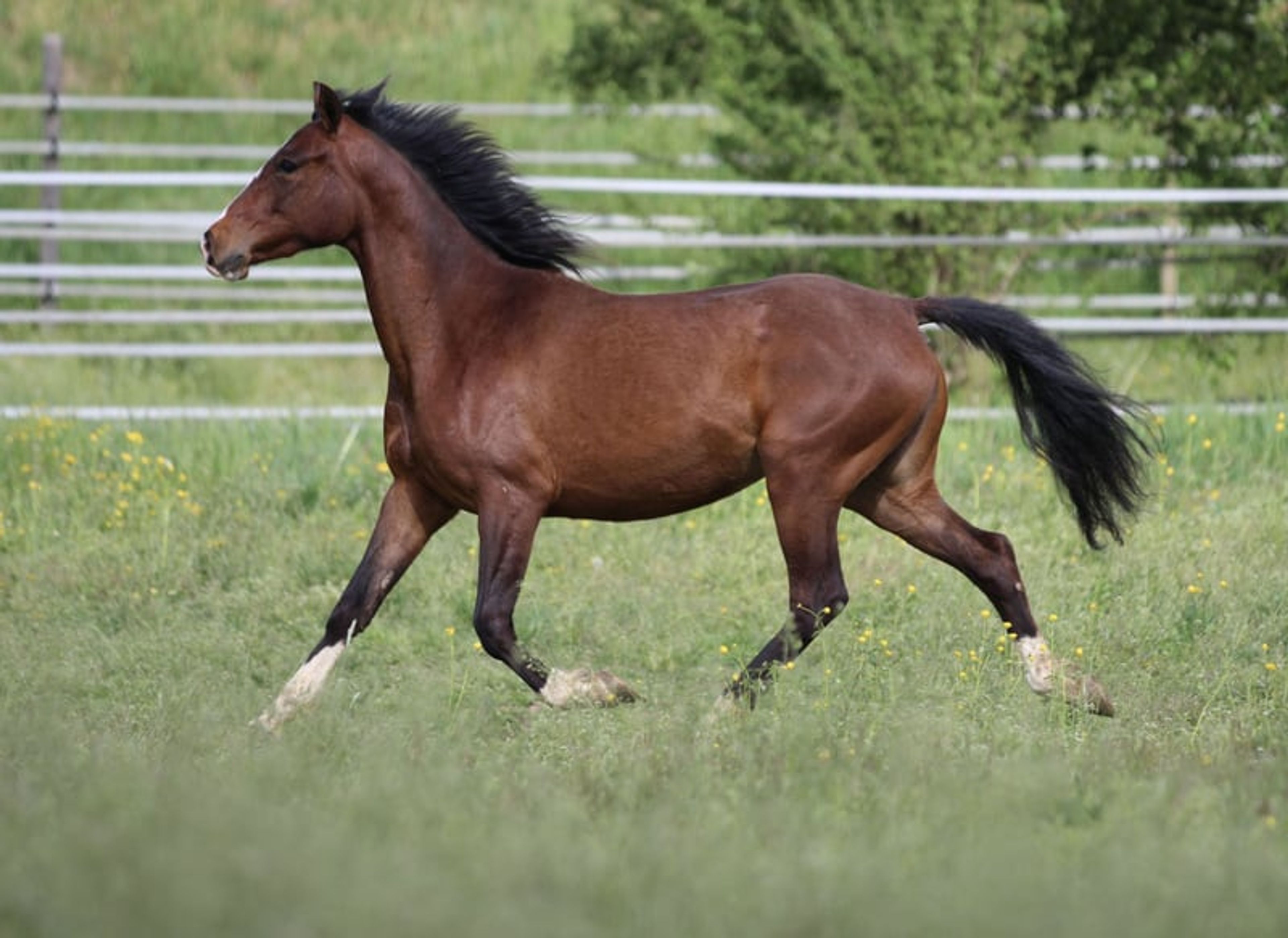
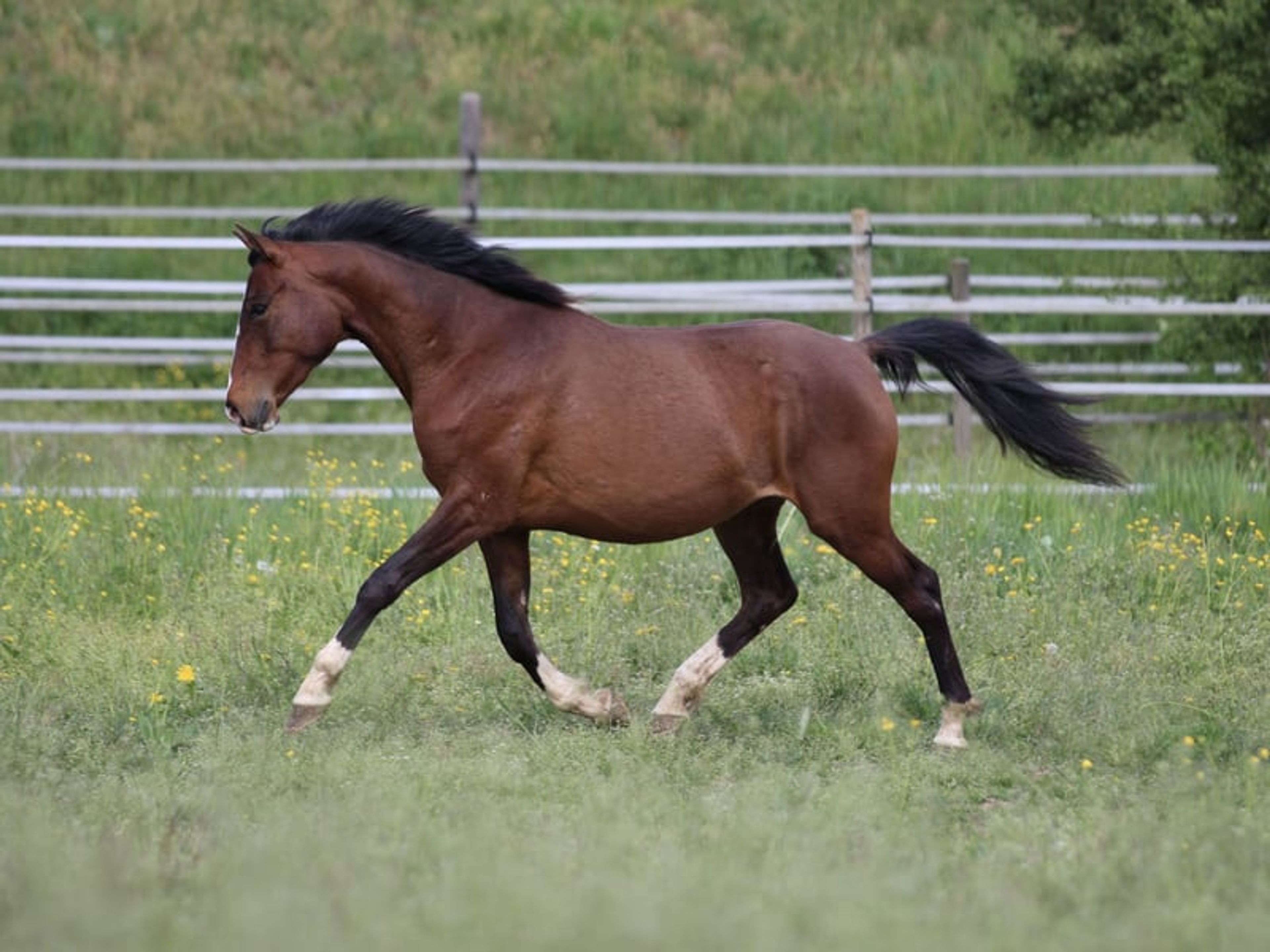
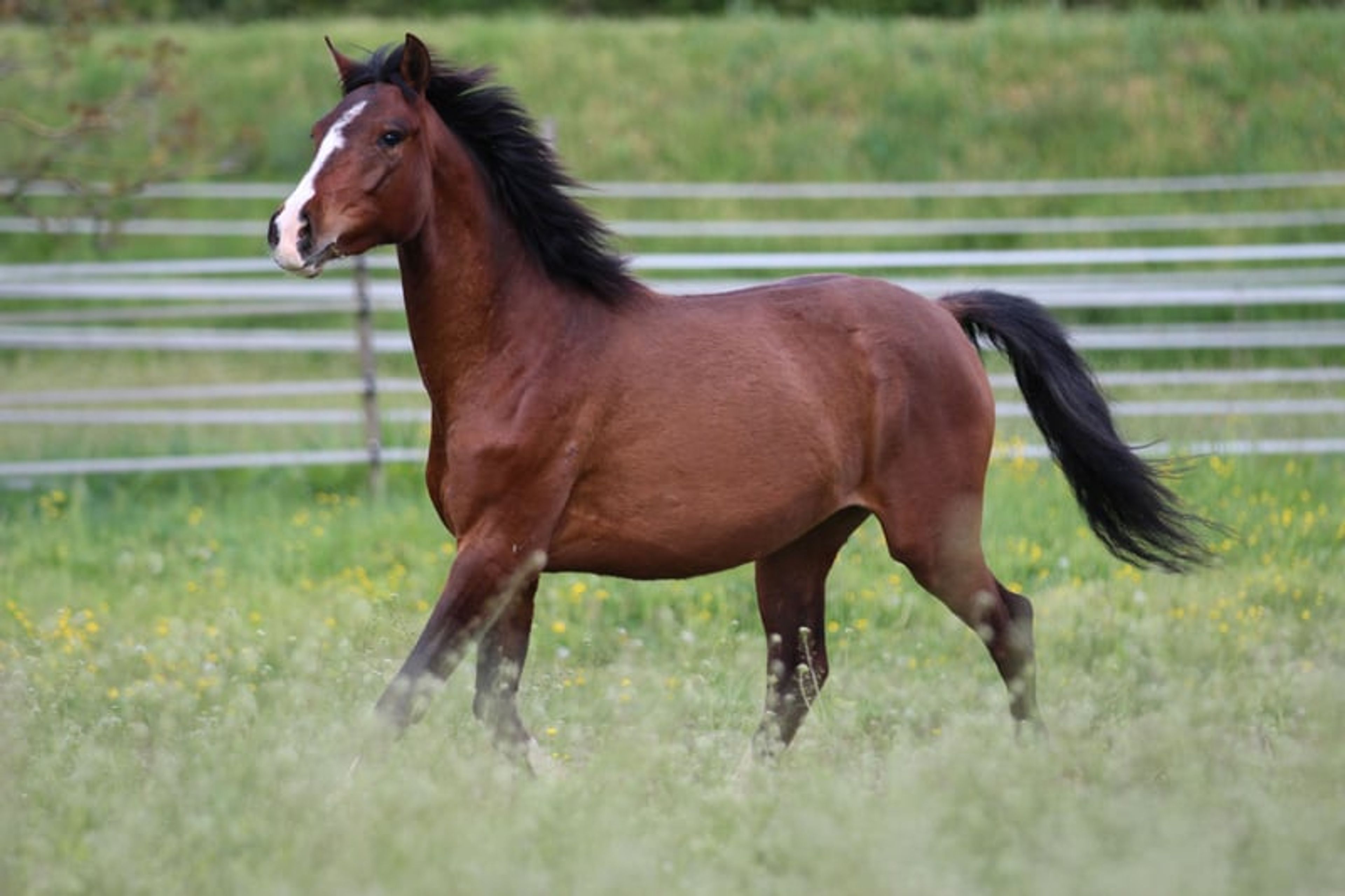
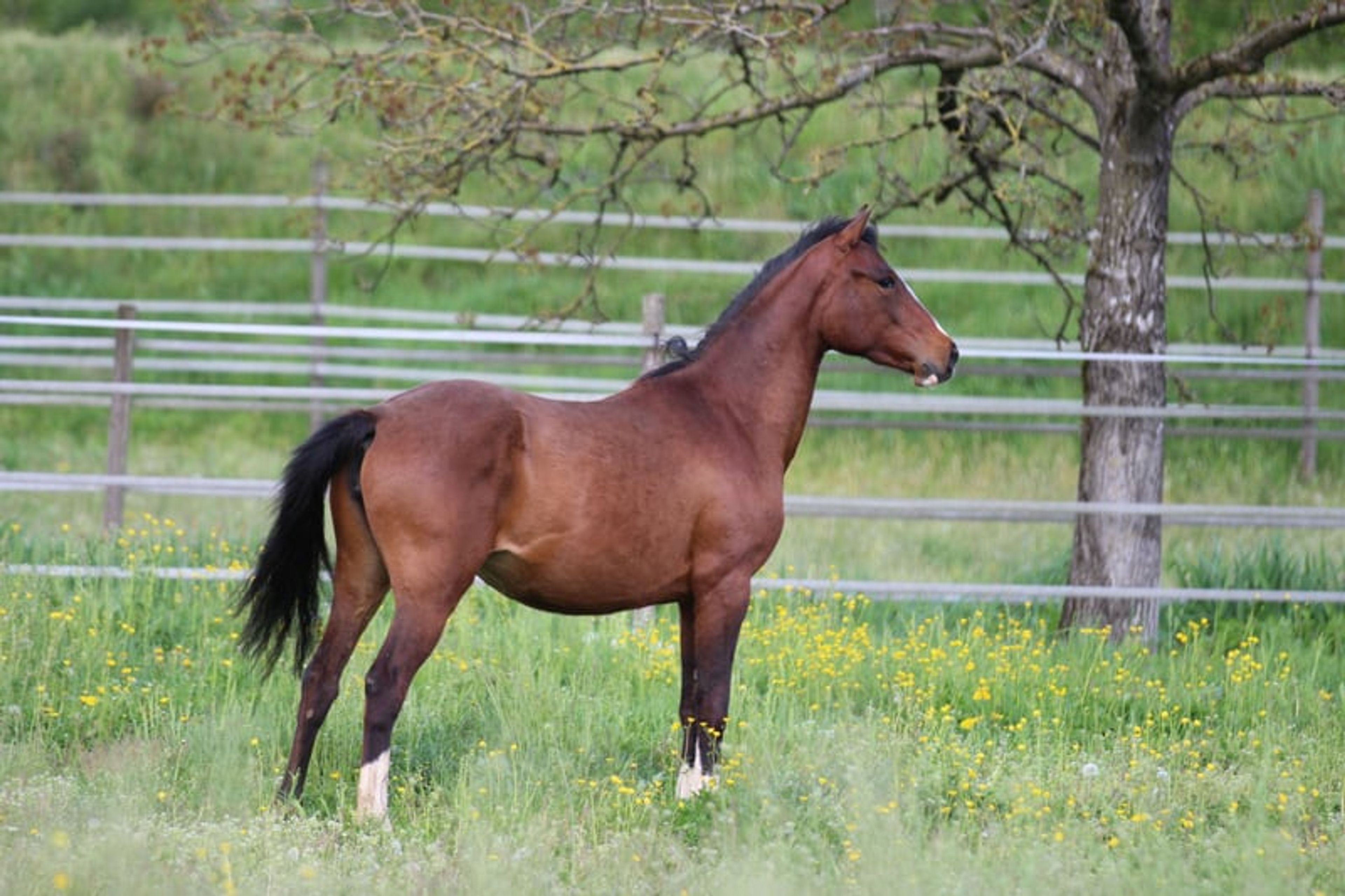
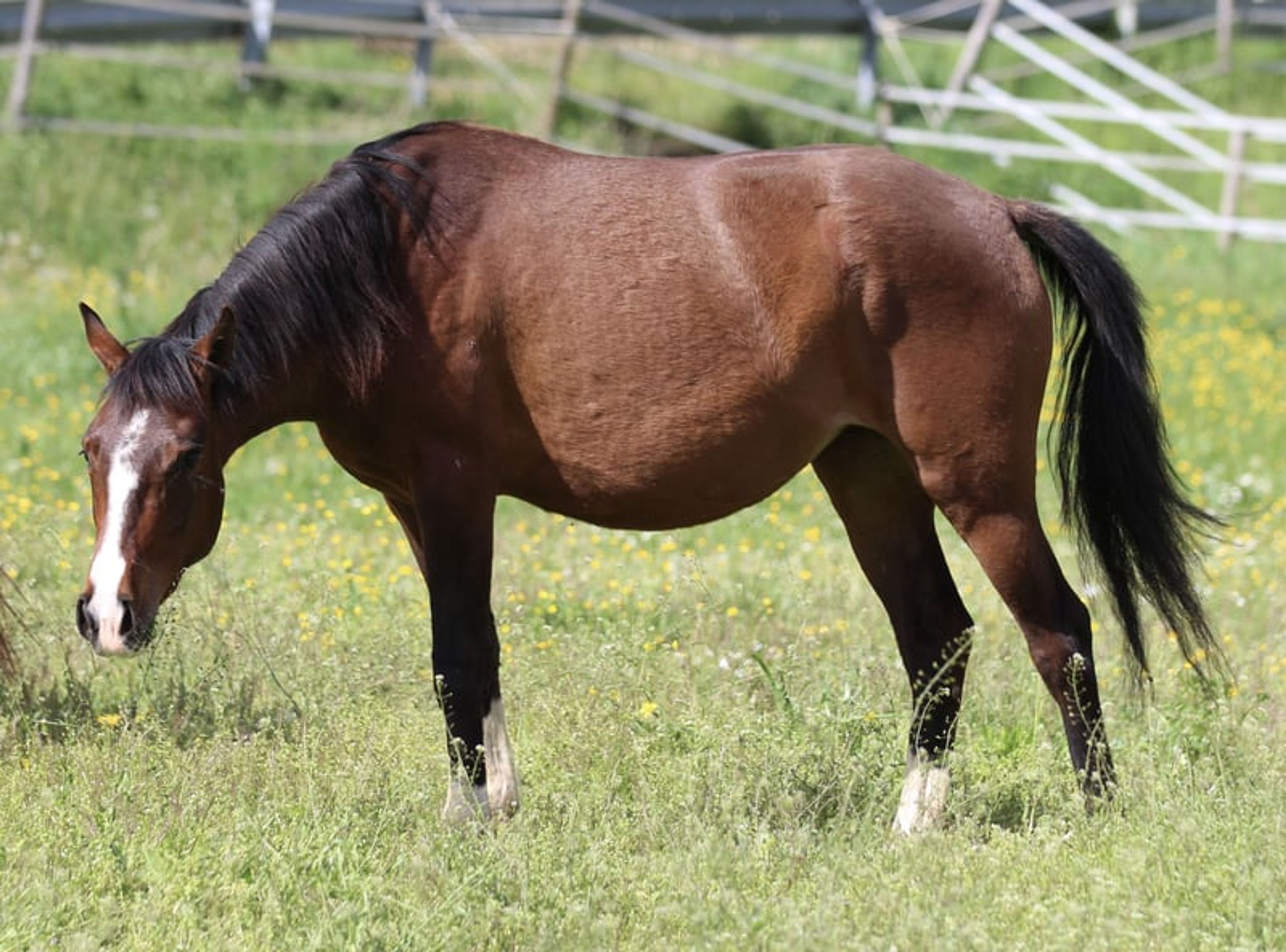
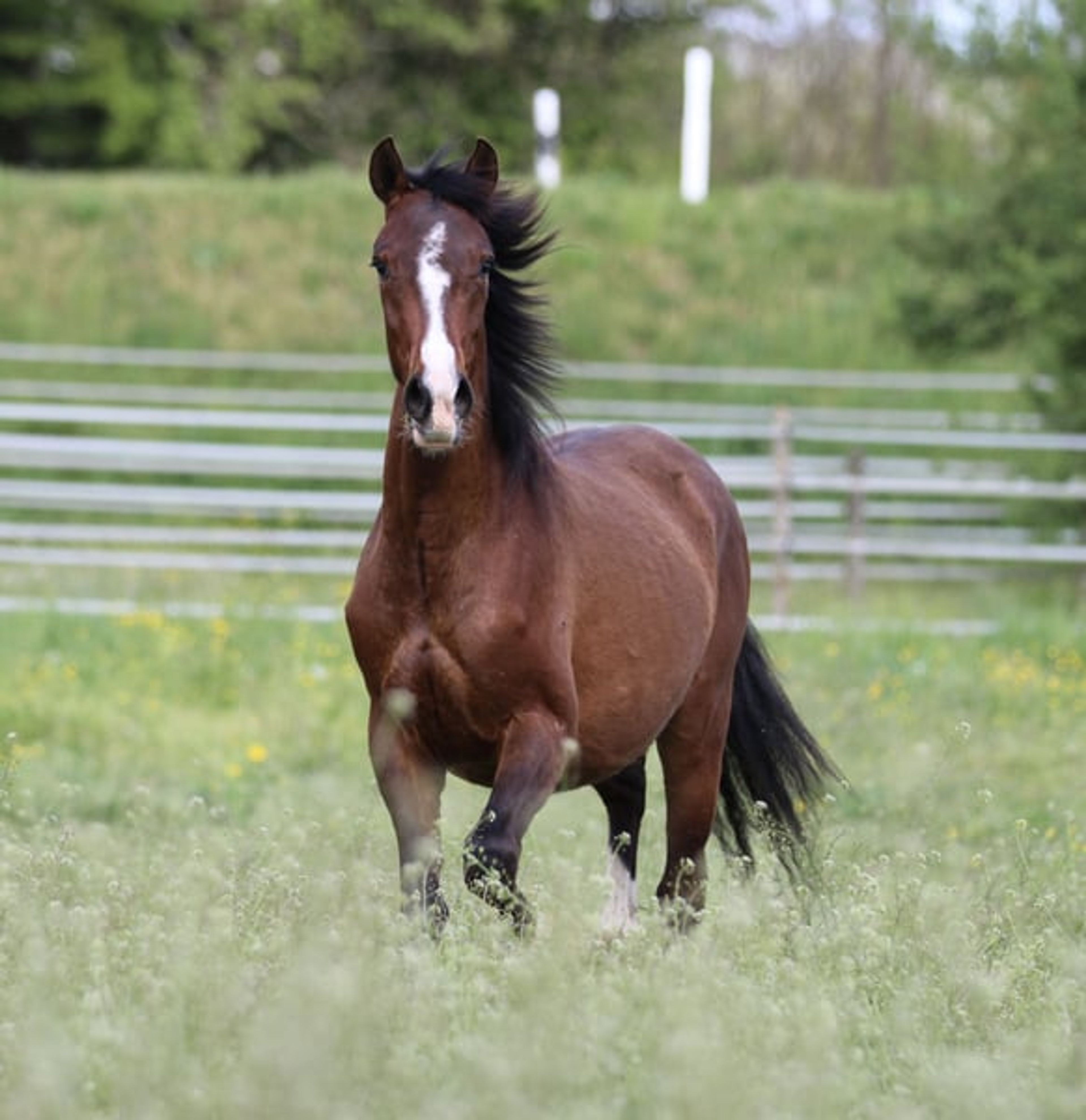
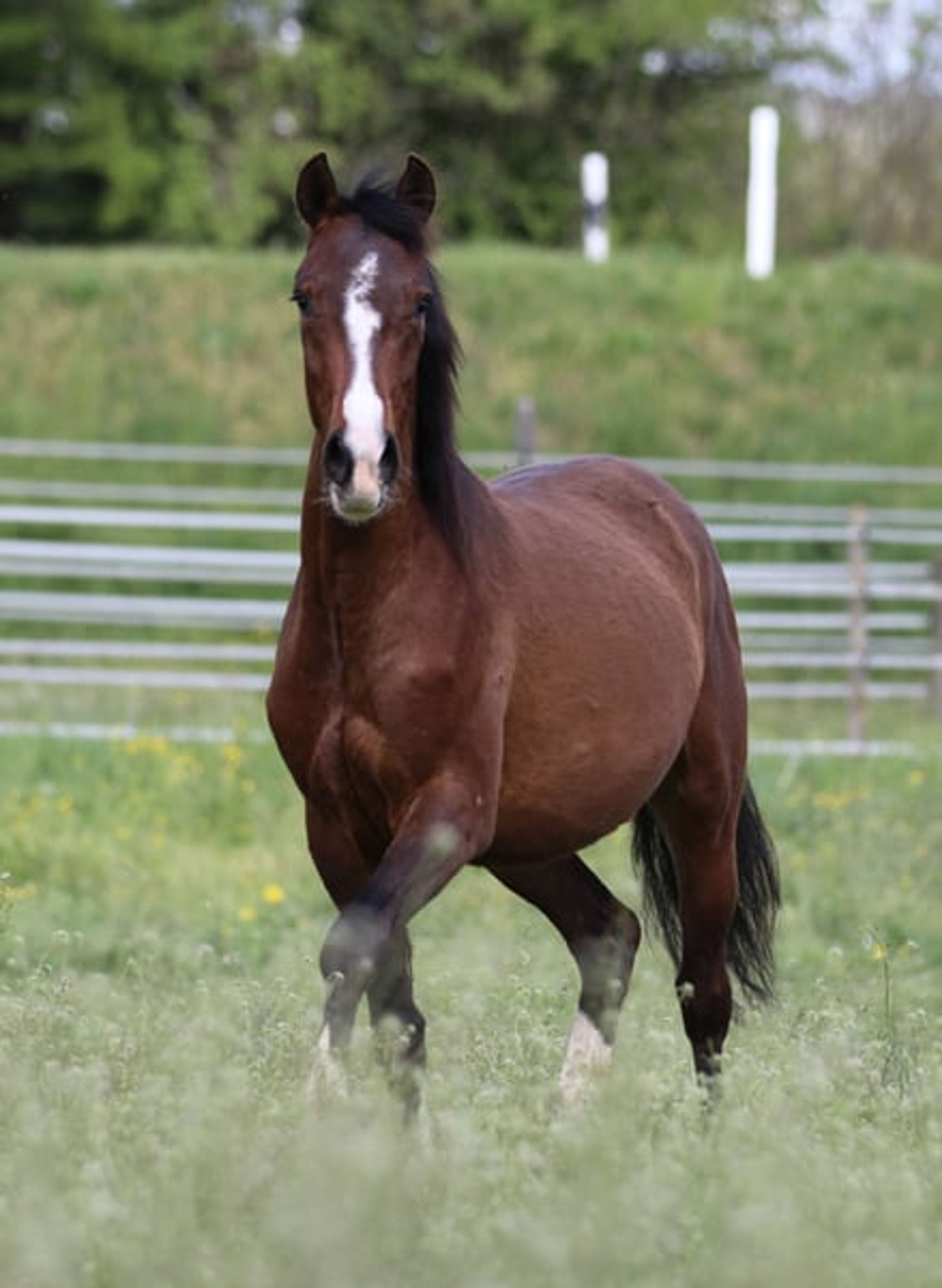
Dark bay filly, excellent mover
Azteca • Backed
Dark bay filly, excellent mover
Azteca • Backed • Brown
Azteca
The Azteca is regarded as Mexico's national horse breed, a compact and athletic combination of Spanish Iberian blood and the American Quarter Horse. Anyone searching for an Azteca horse for sale is usually after a versatile partner, calm enough for leisure riding, agile enough for western work and elegant enough for working equitation. On Paardplaats you can browse Azteca horses for sale, compare them side by side, contact sellers and, if you own one yourself, place your own advertisement. The breed is still rare outside Mexico, so background knowledge helps.
The Azteca was developed in Mexico from 1972, when Andalusian horses were crossed with American Quarter Horses and, to a limited degree, Mexican Criollos. The driving force was Antonio Ariza Cañadilla, who represented the Spanish company Pedro Domecq in Mexico. The aim was a horse for the charros, Mexico's traditional horsemen, and for ranch and cattle work, combining Iberian elegance and temperament with the Quarter Horse's speed, strength and cow sense. The first official Azteca was the stallion Casarejo, foaled in 1972 by the Andalusian Ocultado out of the Quarter Horse mare Americana. The Mexican agriculture ministry officially recognised the breed on 4 November 1982.
The original registry, AMCCRA, keeps the international studbook. No foundation breed may make up more than 75 percent of a horse's ancestry, letters A to F record the blood composition, and only solid colours are accepted. Foals are inspected at about seven months; full registration and breeding approval follow a stricter inspection at three years or older. The American registry, AAHIA, dates from 1989, allows Paint blood and therefore pinto colouring, and requires no physical inspection; the Mexican registry does not recognise it. In Europe, France recognised the breed on 1 January 2020, and the Mexican association has had a delegation for Spain and Europe since 2007, in Espartinas near Seville.
A typical Azteca stands about 150 to 165 cm and weighs 450 to 540 kg. It is compact and well muscled, with a straight or slightly convex head, small ears, a slightly arched neck, a short strong back and a broad, rounded croup. The movement is free and sure-footed, with natural collection from the Iberian side and quick turns and acceleration from the Quarter Horse side. Mexico accepts solid colours, including palomino, buckskin, dun and champagne; grey is very common. The temperament is calm, intelligent and people-oriented, yet sensitive. When choosing, look for a balanced type, sound feet and legs, natural self-carriage and a settled mind, not colour alone.
In Mexico the Azteca works in charrería, including the escaramuza, and in ranch and cattle work. In Europe it is seen in reining, ranch riding, trail, working equitation, doma vaquera, dressage and hacking. Sensitive but willing, it rewards patience and fair, consistent handling. Build collection and strength gradually, and never rush a young horse. Cattle work or working equitation gives an intelligent horse a natural outlet. A well-trained Azteca can suit an amateur, whereas a young or green one needs an experienced trainer. Handled sensibly, it stays rewarding for leisure riders and competitors for many years.
Both Iberian and Quarter Horse types tend to be easy keepers, so watch the waistline. Base the diet on good forage, restrict access to rich grass and keep the horse in regular work, because overweight raises the risk of laminitis and metabolic problems. Daily turnout with company suits a people-oriented horse better than long hours in a stable. The hooves are generally hard, but trimming or shoeing every six to eight weeks is a sensible rhythm, adjusted by your farrier. A short, broad back needs a saddle fitter who rechecks the fit as muscle develops. Brush the full mane and tail gently, and keep up dental and routine health care.
Start with the papers and ask which registry issued them: Mexican (AMCCRA), American (AAHIA) or a passport from a local studbook. They are not interchangeable. Check the letter class, ask for DNA parentage confirmation and request the Quarter Horse five-panel genetic test for GBED, HERDA, HYPP, MH and PSSM1; HYPP is linked to descendants of the stallion Impressive. Arrange a five-stage vetting with X-rays of the hocks, fetlocks and front feet, and always see the horse ridden before you buy an Azteca.
Common mistakes include assuming that every Quarter Horse x Pura Raza Española cross is a registered Azteca, buying on colour and looks, believing vague training claims, underestimating a stallion and ignoring import paperwork and costs. A seller who cannot explain the papers is a warning sign.
These are indicative asking prices, and exchange rates move. Unregistered Quarter Horse x Iberian crosses advertised as Azteca type usually ask roughly £1,300 to £4,200 (EUR 1,500 to 5,000). Registered foals from European breeders typically cost £4,700 to £7,200 (EUR 5,500 to 8,500), unbroken or just-started two- to four-year-olds roughly £3,800 to £8,500 (EUR 4,500 to 10,000), and trained riding horses of about five to fourteen years roughly £6,800 to £12,700 (EUR 8,000 to 15,000). Proven competition horses and approved stallions start at about £12,700 (EUR 15,000). In Mexico, a registered Azteca usually asks about MXN 85,000 to 180,000 (about EUR 4,000 to 9,000), and horses with advanced charro or high-school training MXN 150,000 to 350,000 and more (about EUR 7,500 to 17,000).
Papers, training level and proof of it, age, bloodlines, soundness at vetting and stallion approval all move the price of an Azteca. For a British buyer the advertised euro price is only the beginning: after Brexit, add the export health certificate, customs paperwork, import VAT, transport and agent fees. A horse bought in Mexico or the USA also needs air transport, quarantine and import paperwork, often costing several thousand euros together.
Buyers include western riders, working equitation competitors, lovers of baroque horses and leisure riders. If you are selling an Azteca mare or gelding on Paardplaats, state the registry, the letter class or blood composition, and the DNA and genetic-panel results. Describe the training honestly, add clear photographs and video of the horse working, and be open about stallion status, vices and health history. Proper papers support your asking price, and honesty attracts serious enquiries.
How much does an Azteca cost in pounds sterling?
Expect roughly £1,300 to £4,200 for an unregistered Azteca type, £3,800 to £8,500 for an unbroken youngster and £6,800 to £12,700 for a trained horse. Proven competition horses and approved stallions start at about £12,700. Import costs, transport and VAT come on top for horses bought on the continent.
What makes a horse a real, registered Azteca?
A registered Azteca is entered in a recognised studbook, most reliably the Mexican AMCCRA, after inspection and with parentage confirmed by DNA. A Pura Raza Española or Andalusian is a purebred Iberian horse, a Quarter Horse is a separate breed, and an unregistered cross between them is only Azteca type. Pinto horses carry American papers.
Is an Azteca suitable for amateurs and leisure riders?
A well-trained, settled Azteca suits many amateurs and leisure riders, being calm, willing and people-oriented. It also does reining, ranch riding, trail, working equitation and dressage. It is sensitive, so it needs a fair, consistent rider, and a young or green horse needs an experienced trainer.
What should I check before buying or selling an Azteca?
Check the registry and papers, DNA parentage and the Quarter Horse five-panel genetic test. Have the horse vetted in five stages with X-rays, and see it ridden. Sellers should disclose stallion status, vices and health. For an import, confirm the paperwork, transport and VAT first.
Whether you want to buy an Azteca or find a new home for yours, Paardplaats makes the first step easy. Browse the Azteca horses for sale, compare papers, training and soundness carefully, and meet the horse in person. If you have an Azteca of your own to part with, place your advertisement today and introduce your horse to riders who will appreciate it.