
Buy Appaloosa
Buy or sell an Appaloosa for trail, ranch and show. Get honest advice on ApHC papers and eye health, then browse or place your ad on Paardplaats.
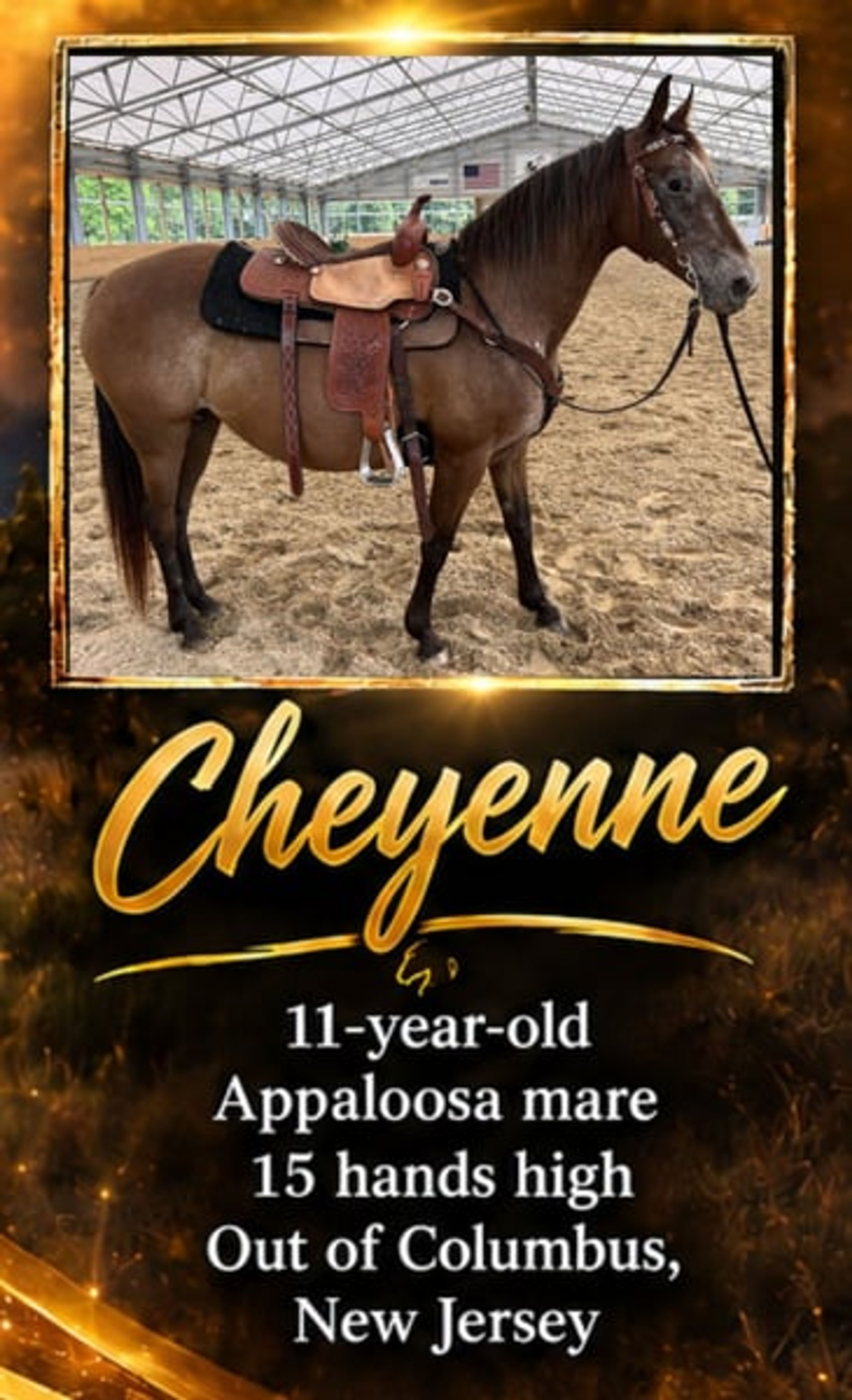
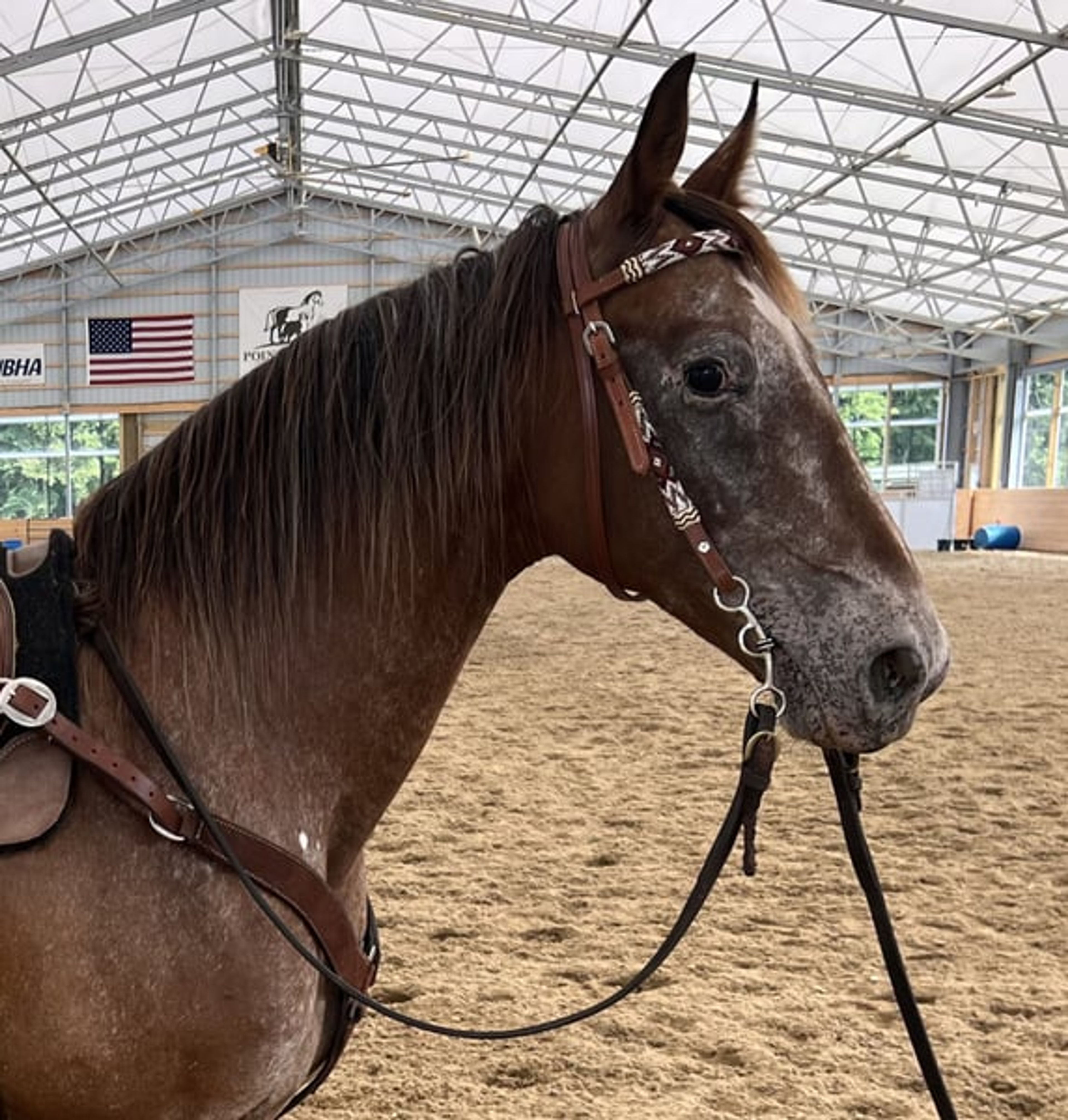
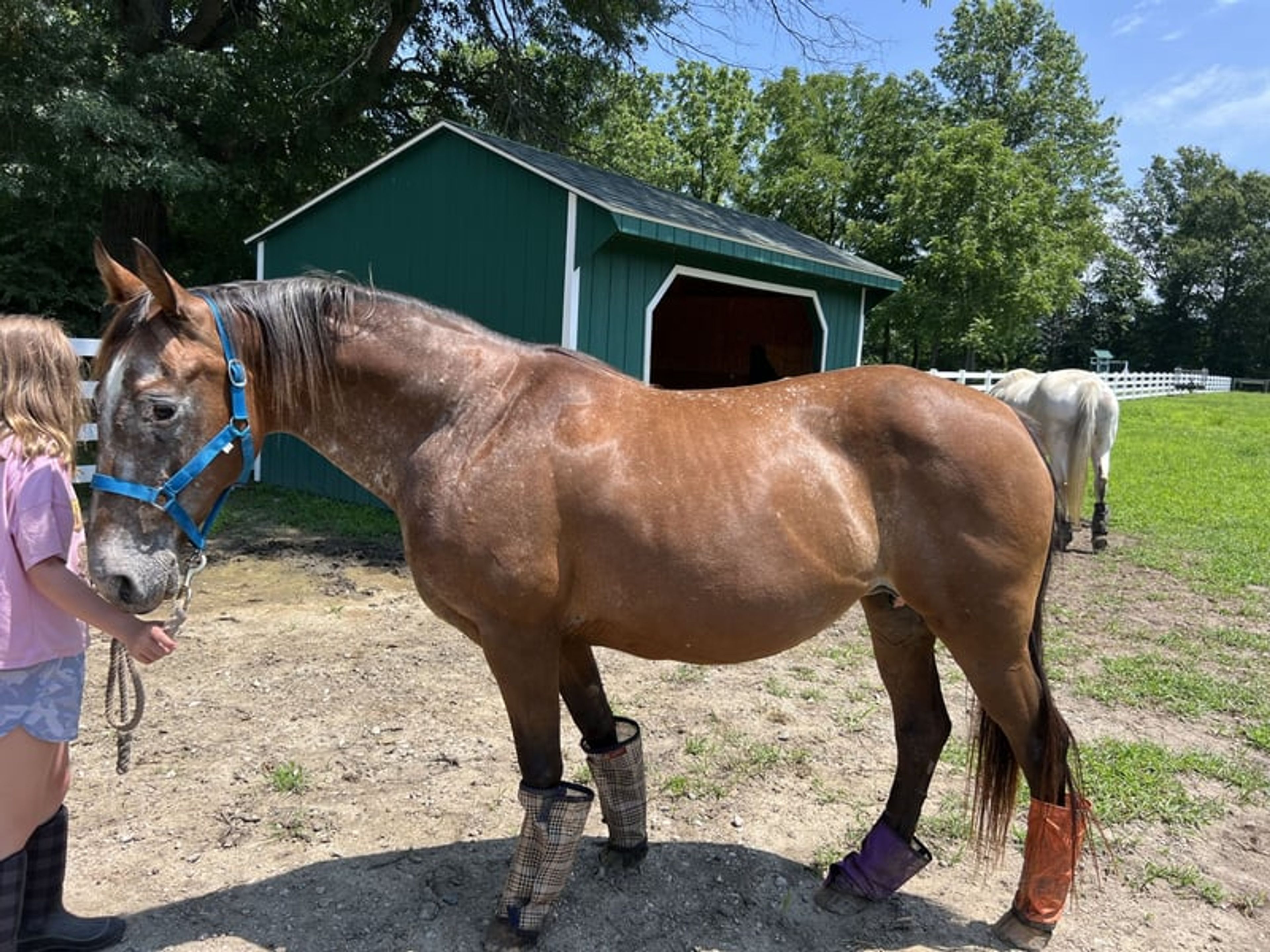
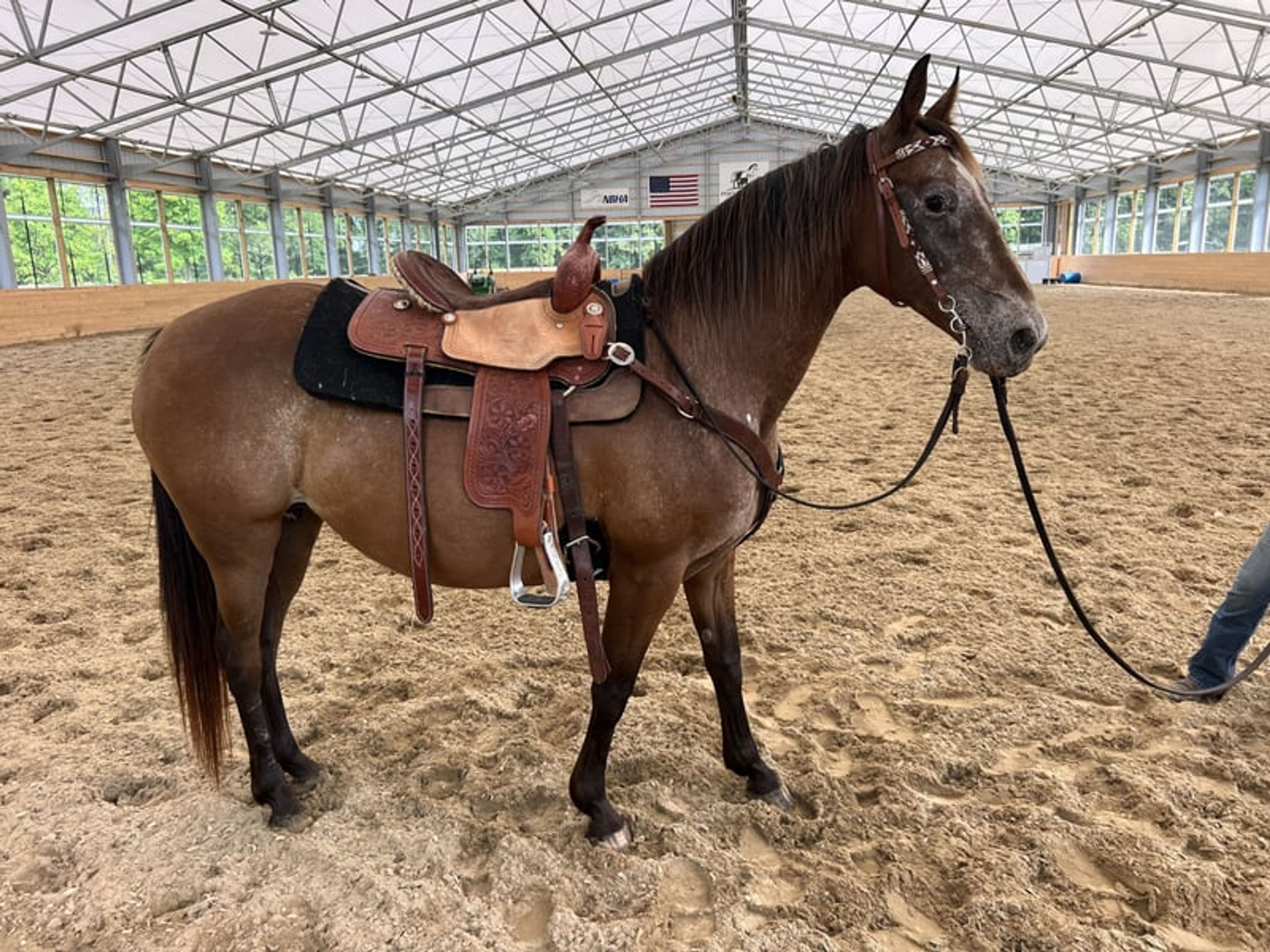
Appaloosa
Looking for an Appaloosa for sale? This American breed is known for its leopard-complex spotting, its stock-horse bloodlines and its own registry, the Appaloosa Horse Club (ApHC). Riders look for one because it combines a sturdy, willing working-horse build with a coat nobody forgets. Trail riders, ranch hands, 4-H families, western competitors and endurance riders often choose one. On Paardplaats you can browse Appaloosa horses for sale and contact sellers directly. If you own one, you can place your ad here too. Pony-sized spotted horses are listed separately as Appaloosa ponies.
The Nez Perce people of the Pacific Northwest bred these horses. They obtained horses around 1730 and had breeding herds by about 1750. Settlers called the spotted animals Palouse horses, probably after the Palouse River. The name later became Appaloosa. The Nez Perce War ended with Chief Joseph's surrender on October 5, 1877. The US Army then took more than 1,000 of the tribe's horses, and the breed was largely forgotten for almost 60 years.
In 1938 Claude Thompson and a small group of breeders founded the ApHC. The club moved to Moscow, Idaho, in 1947, in the Palouse country. More than 670,000 Appaloosas were registered between 1938 and 2007. Today a registered Appaloosa has two registered Appaloosa parents, or one Appaloosa parent and one Arabian, American Quarter Horse or Thoroughbred parent. The ApHC does not accept draft, pony, Pinto or Paint breeding. A horse with the right parents but without the characteristics can be registered as non-characteristic. Abroad, many Appaloosas carry ApHC papers. Others are registered with studbooks such as Appaloosa Horse Club Germany, the Dutch NAS or the Appaloosa Horse Club UK.
The spotting comes from the leopard complex, or LP, an incomplete dominant gene. The ApHC looks for four characteristics: a coat pattern, mottled skin around the muzzle, eyes and genitals, striped hooves, and a visible white sclera around the eye. The main patterns are leopard (dark spots over a white body), few-spot leopard (nearly white), blanket (white over the hindquarters), snowcap (a white blanket without spots), snowflake (white flecks on a dark coat) and varnish roan (roaning that increases with age). Base colors run from bay and chestnut to palomino, buckskin, dun, grullo and gray. A foal's pattern can change considerably, so it guarantees nothing. Most Appaloosas stand 14 to 16 hands. Judge conformation, movement, eyes and character first, and the spots last. A Knabstrupper, a leopard-spotted Noriker or a spotted crossbred is not an Appaloosa.
Appaloosas are intelligent, willing and sturdy all-rounders. Many have Quarter Horse ancestry and a stock-horse build, which suits reining, cutting, ranch riding, western pleasure, trail and barrel racing. Others are lighter or taller, with Thoroughbred or Arabian blood, and do well in endurance, hunter classes, show jumping and eventing. Youth and amateur classes and 4-H are natural homes for a well-trained one. A young or green-broke horse still needs an experienced trainer. Give it time to learn solid basics, and do not ask for too much too young. A horse brought along patiently can give you many years of enjoyment on the trail, in the arena and with the family.
Feed forage first and watch body condition. Give daily turnout with company, and keep a regular farrier schedule, usually every six to eight weeks. Check saddle fit as the horse develops. The eyes need special attention. Appaloosas have about an eight times higher risk of equine recurrent uveitis, also called moon blindness. It can progress without obvious painful episodes. Ask your vet for regular eye exams, and use a fly mask with UV protection. Pink skin around the eyes and muzzle can sunburn, so provide shade. Keep up dental care, vaccinations and deworming on a routine schedule.
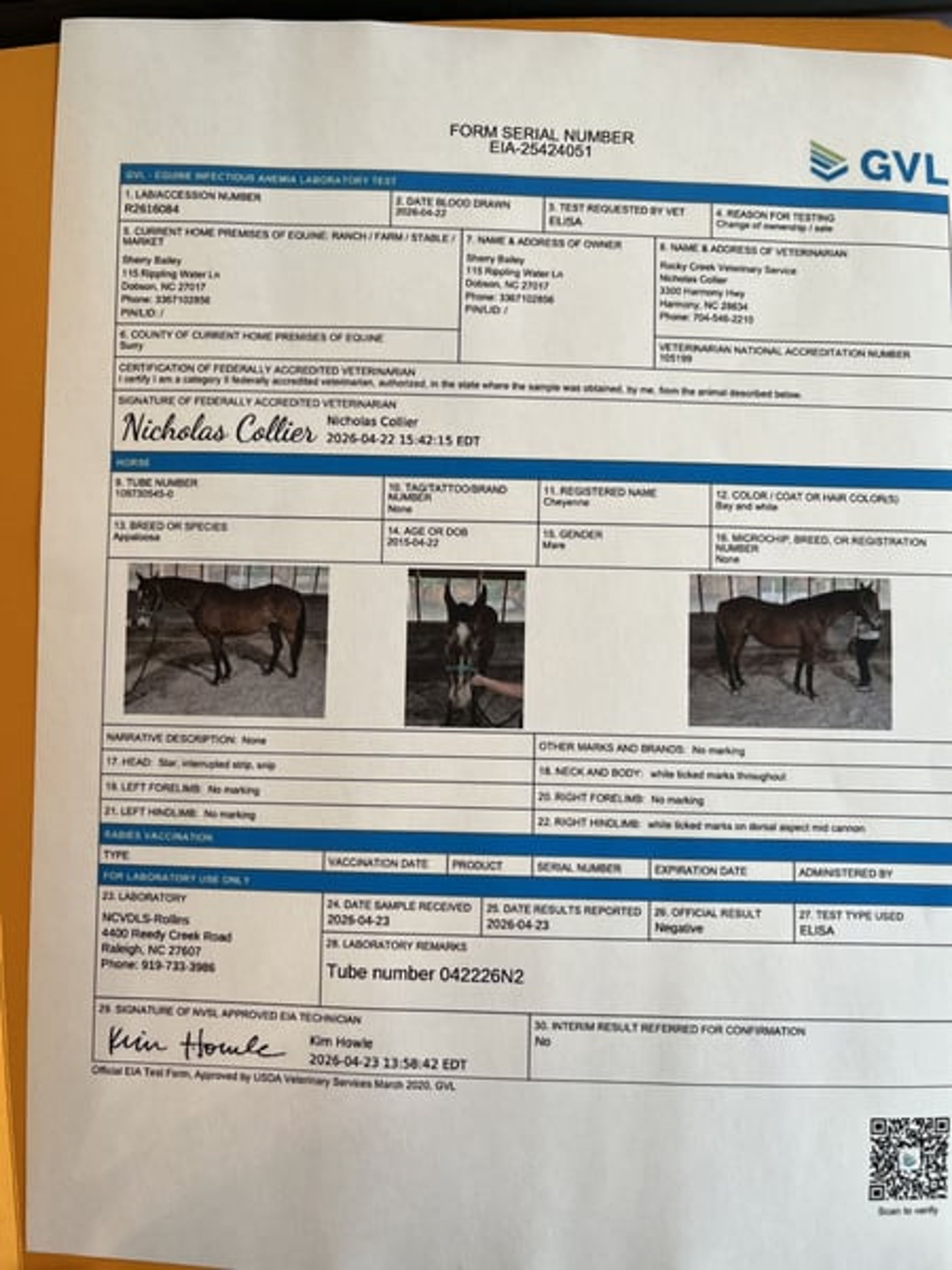
Start with the papers. Ask which body registered the horse, whether it is regular or non-characteristic, and whether the papers are in the seller's name. Plan for the transfer and a current Coggins if the horse will travel. In Europe every horse also needs an equine passport. DNA parentage confirms the pedigree. Ask for the LP test result and a recent ophthalmic exam. Since 2007 the ApHC has required HYPP testing for foals descending from Impressive, and the result is recorded on the registration certificate. Book a pre-purchase exam with X-rays. The common mistakes are buying spots instead of a horse, assuming every spotted horse is an Appaloosa and ignoring the eyes. Do not buy an LP/LP horse without knowing about night blindness. Do not put a novice on a green horse. Do not accept unclear papers.
The price of an Appaloosa depends on the market. In US dollars, older or untrained horses start around $1,500. Registered, trained Appaloosas mostly cost about $5,000 to $15,000. Show and performance horses start at $25,000. European asking prices are in euros, with approximate dollar figures. Older companion horses and spotted horses without papers run about EUR 2,000 to 5,000 ($2,200 to $5,600). Young horses of two to four years cost about EUR 4,000 to 10,000. Trained leisure and western horses mostly sell for EUR 5,000 to 12,000 ($5,600 to $13,500). A typical asking price for a trained, sound Appaloosa is around EUR 8,000 ($9,000). Show horses and approved stallions start near EUR 15,000 ($17,000). Exchange rates move. Papers, regular or non-characteristic status, LP and eye status, training, show record, age, pedigree, conformation and the vet check all move the price. A flashy pattern sells, but it should not outweigh quality. Shipping a horse from the US to Europe adds flights, quarantine, health certificates and duties or VAT, often several thousand euros.
Buyers of an Appaloosa are trail and family riders, youth and amateur competitors, western trainers and breeders. They want clear information. On Paardplaats, a good ad states the papers and registration status first. Add the pedigree, the pattern, the LP test result and your eye history. Describe the training and show record honestly, including what the horse still needs to learn. Photos should show the full pattern, the eyes and the hooves. Add a video of walk, trot and canter under saddle. An honest ad attracts the right buyer and prevents surprises at the pre-purchase exam.
How much does an Appaloosa cost?
Registered, trained Appaloosas mostly cost about $5,000 to $15,000, and older or untrained horses start around $1,500. In Europe a trained, sound Appaloosa typically has an asking price around EUR 8,000, about $9,000. Show horses and approved stallions cost more. These are indicative ranges, and exchange rates move. Papers, training, eye status and conformation matter more than a flashy coat.
Is every spotted horse an Appaloosa?
No. The Appaloosa is a breed with a registry, while spotting is a coat pattern that also appears in other breeds. The Danish Knabstrupper and the leopard-spotted Noriker carry leopard spotting but are not Appaloosas. Spotted crossbreds are not Appaloosas either. Pony-sized spotted horses are a separate group, listed as Appaloosa ponies. Ask for papers to know what you are looking at.
Who is an Appaloosa a good fit for?
A well-trained, sound Appaloosa is often a good family and leisure horse. Many suit trail riding, ranch riding, western pleasure, 4-H and youth classes. Others compete in reining, cutting, barrel racing, endurance or English disciplines. A novice should choose an older, finished horse and bring a trainer along. A green youngster needs an experienced hand.
What should I check before buying or selling one?
Check the papers and registration status, the transfer, the passport and DNA parentage. Ask for the LP test, a recent ophthalmic exam and the HYPP status for Impressive descendants. Have a vet do a pre-purchase exam with X-rays. Sellers should have the same documents ready. The eyes deserve a specialist look, because uveitis can progress quietly.
Ready to find your next horse? Browse Appaloosas for sale on Paardplaats and compare their papers, patterns and training. Or place your own Appaloosa for sale and reach riders who value an honest description. Choose with your head first, and let the spots be a bonus.