
Before You Read
Looking for Your Next Horse?
Explore thousands of quality sport horses while you're here.
Change language
Change currency
Explore thousands of quality sport horses while you're here.
Buying a horse feels magical, but letting emotion drive your purchase often creates a financial nightmare. According to most vets, beginners frequently prioritise a pretty coat over a safe temperament. Learning how to evaluate horses for sale bridges this logical-emotional gap, mapping the journey to finding a suitable partner from the first viewing to the final vet check.
Evaluating a horse at rest is like checking a car's alignment. This physical structure, called conformation, dictates the rule of "form to function." If a horse has crooked legs (form), you can expect early arthritis and costly vet bills (function). To assess conformation, simply step back and view the horse from the side to ensure their neck, back, and hips look proportionally equal.
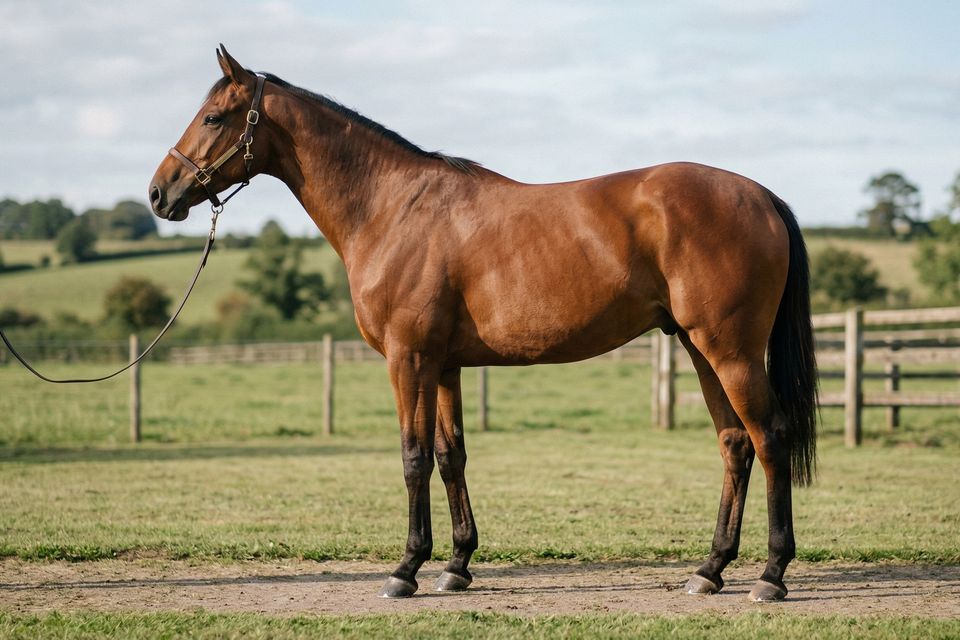
Beyond physical shape, identifying red flags in daily behaviour is what keeps you out of hospital. Nervous habits, known as stable vices (like pacing in a stall), indicate chronic stress, while poor handling skills present immediate dangers. When testing ground manners and stable vices, verify these four basics:
Leading quietly without pulling
Standing calmly when tied
Picking up all four feet safely
Respecting your personal space
Once a horse passes these standstill checks, evaluating them in motion is the next vital step.
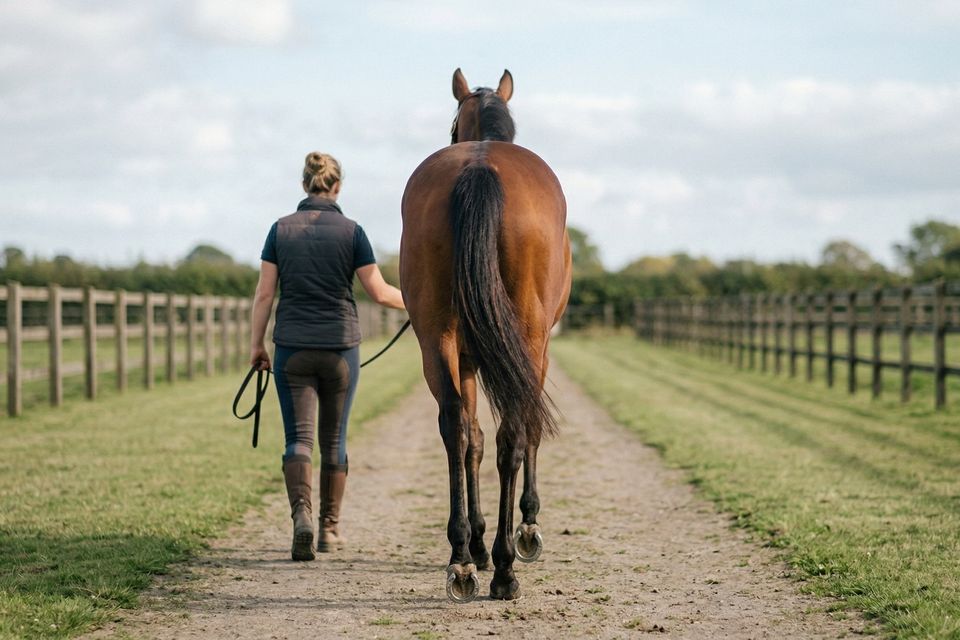
Watching a horse trot reveals secrets a standstill posture hides. This phase evaluates soundness, meaning the animal is physically healthy and pain-free. When identifying subtle equine gait irregularities, watch their head carefully. If the horse's head sharply bobs up when a specific front hoof hits the ground, they are protecting a sore leg.
Assuming they look comfortable, implement a safe trial ride protocol for buyers: the owner rides first, you ride in an enclosed arena, and finally, you test them in an open space. Use this ride to decide between buying a green horse and a schoolmaster. Beginners need an experienced, reliable schoolmaster, not an unpredictable, untrained green horse. If you feel totally safe at the walk, trot, and canter, the next crucial step is arranging a pre-purchase exam.
Even if the ride felt perfect, never skip the vet. Understanding a pre-purchase exam versus a basic health check prevents hidden heartbreak, while the cost of equine veterinary vetting scales from $300 to $1,500. Tailor your equine pre-purchase exam checklist using:
Basic Health Check: Evaluates eyes, heart, and lungs.
Comprehensive PPE: Adds job-specific X-rays, bloodwork, and a flexion test (bending joints to reveal hidden soreness).
Use imperfect results to negotiate market value before making your final decision.
You can now look beyond a pretty face. Before executing a contract, combine reviewing horse pedigree and performance records with checking hoof quality and farrier history. Remember, confidently walking away from unexplained lameness, aggression, or a seller hiding information is your biggest victory in finding a truly safe partner.
Browse thousands of quality sport horses or list your horse for free on Europe's fastest-growing equestrian marketplace.
First Month Free for Every Listing — No Hidden Fees
Written by
PaardPlaats
Specializing in helping buyers find their perfect horse and sellers achieve the best prices through expert market knowledge and proven sales strategies.